

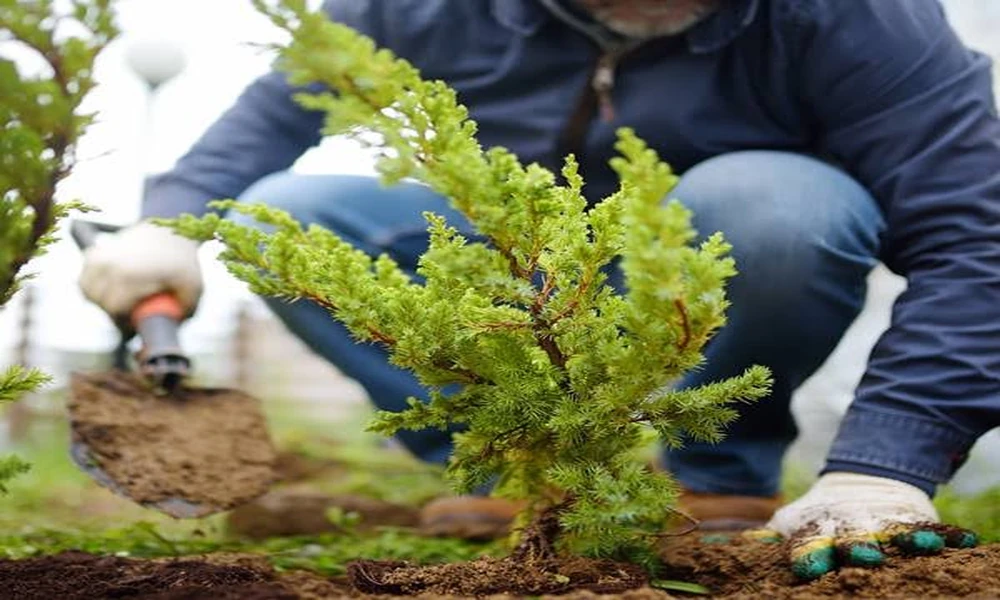
A young tree does not need thirty days of constant attention. It needs a handful of timely decisions made in the right order. The difference matters, because frantic care often begins after a preventable problem has already developed.
Delivery day is mostly about condition and timing. Planting day is about depth, roots, support, and soil contact. The following weeks are about moisture, movement, weather, and evidence that the tree is settling rather than merely standing upright.
Thinking in a thirty-day window gives the gardener room to respond. A frozen planting site, a delayed weekend, a drying wind, or unexpected heavy rain does not have to become a crisis when the tree is stored and checked correctly.
The seven priorities below form a sequence, although several overlap. Their value lies in creating a reliable baseline from which later pruning, feeding, and crop expectations can be judged.
Arrival day sets the pace for everything that follows. A nursery specialist from ChrisBowers notes that the first action is inspection, not planting at any cost. The tree should be unpacked promptly, its roots or container checked for moisture, and its planned position reviewed against the actual weather. If planting is delayed, the roots need protection from drying and the tree needs a secure temporary place. Once planted, correct depth and close soil contact matter more than decorative finishing. The nursery also recommends one thorough settling water, a clear trunk base, and support that prevents wind rock without holding the stem rigid. During the remaining weeks, gardeners should check moisture below the surface, tie tension, movement at the base, and signs of stress rather than watering by habit. A short written note on planting date and weather creates a useful reference for the rest of the first season.
Thirty days is long enough for weather to change and short enough for the gardener to remember every decision. That makes the period ideal for establishing a baseline. Notes on soil moisture, prevailing wind, bud condition, and the stability of the tree become more useful than vague recollections later in spring.
The seven priorities are woven through six balanced sections rather than presented as a bullet list. Inspection and temporary care belong together, planting depth and support share a section, and the final review draws the sequence into a routine that remains useful after the first month has passed.
Priorities One and Two: Unpack and Inspect
Prompt unpacking reveals what the tree needs before assumptions take over; the task remains repeatable during a busy week, when good access and a clear question matter most.
Winter deliveries in Britain often move between cold vans, sheltered doorways, and changeable outdoor conditions; this turns a general instruction into a condition that can be checked after ordinary weather and garden use.
The garden is better served when gardeners check roots, compost moisture, stems, graft union, labels, and any transit ties in good light; the gardener is then able to note what changes, what remains stable, and which observation justifies the next action.
The household test is straightforward: the plant should remain reachable, the expected crop should have a use, and necessary care should fit the months when the garden is busiest rather than only an ideal weekend, without assuming that next season will repeat this one.
Use a familiar garden route as the observation point; regular passing makes subtle changes easier to notice and connects follow-up work to daily life, and routine access stays part of the assessment.
The avoidable risk comes from leaving packaging closed in a warm shed or exposed porch; the long-term test is whether the arrangement still works when the season, crop, and household routine become busier.
A calm inspection separates normal dormancy from genuine damage or dryness; the choice gains a defined purpose instead of leaving appearance or habit as the only measure of success.
The gardener starts with evidence rather than anxiety; the point stays connected to the plant’s response and to the practical limits of the surrounding garden.
Priority Three: Hold the Tree Safely if Needed
Immediate planting is not always the responsible choice; the decision takes a realistic place in a productive British garden instead of becoming a one-day task.
A measured response is to protect roots from drying and place the tree securely until soil and weather are workable; the value lies in preserving options while roots, growth, or soil response provide better evidence.
Evidence should simplify the next decision; if observation only adds uncertainty, the gardener needs a clearer question before another intervention, so correction remains proportionate to the problem.
Short winter delays are common when rain or frost closes a planned planting window; small timely corrections protect earlier work and avoid disturbing an established plant later.
Temporary care preserves condition without turning delay into neglect; a useful result stays visible through steadier growth, workable soil, or simpler routine care.
A gardener should distinguish the permanent decision from the seasonal response; position, scale, and soil preparation deserve long horizons, while watering, protection, and small corrections remain responsive to current conditions, while leaving room for ordinary household use.
Later correction becomes likely after forcing planting into frozen, flooded, or unprepared ground; a second look after rain, wind, or fresh growth often reveals more than the first inspection.
The tree reaches planting day hydrated and protected; the approach supports the whole planting instead of solving one narrow problem and creating another.
Priority Four: Plant at the Correct Level
Planting depth is difficult to correct once the soil settles. The first month is therefore part of comparing fruit trees for sale, because delivery condition and the gardener’s readiness shape establishment as surely as the label does; the point stays connected to the plant’s response and to the practical limits of the surrounding garden.
A final level check after watering catches movement early; this turns a general instruction into a condition that can be checked after ordinary weather and garden use.
The practical course is to identify the root flare and graft area, spread roots naturally, and firm soil without burying the stem; the task remains repeatable during a busy week, when good access and a clear question matter most.
The weak point in this plan is copying the depth of the nursery pot or digging an unnecessarily deep loose hole; the gardener is then able to note what changes, what remains stable, and which observation justifies the next action.
Tie a review point to the next meaningful change; new growth, settling soil, a dry spell, or harvest supplies evidence without encouraging constant interference, while the original purpose of the work stays clear.
Heavy or recently cultivated UK soils can settle after repeated rain; the long-term test is whether the arrangement still works when the season, crop, and household routine become busier.
The final measure is not perfection, but resilience in routine conditions; a sound arrangement tolerates small delays, makes emerging problems visible, and allows the gardener to correct course without beginning the whole job again, so future care begins from a clear reference point.
Roots gain soil contact while the stem remains correctly exposed; the choice gains a defined purpose instead of leaving appearance or habit as the only measure of success.
Priority Five: Support Without Making the Tree Rigid
Support should control damaging movement at the roots while allowing the stem to respond naturally; the approach supports the whole planting instead of solving one narrow problem and creating another.
Explain the decision without relying on appearance alone; an answer that mentions roots, timing, access, and expected growth usually rests on firmer ground, and later comparisons begin from a known baseline.
Care starts to unravel through tying high and tight or letting a loose tie rub in wind; the value lies in preserving options while roots, growth, or soil response provide better evidence.
A successful plan leaves a useful margin for unusual weather, heavier crops, and busier weeks; that margin is not wasted space or effort, but insurance against ordinary variation that exposes an over-tight arrangement, rather than depending on a single favourable season.
The clearest next step is to position a suitable stake and tie so the root plate stays stable without abrasion; the decision takes a realistic place in a productive British garden instead of becoming a one-day task.
Exposed gardens can experience strong gusts soon after winter planting; a second look after rain, wind, or fresh growth often reveals more than the first inspection.
Frequent early checks keep the tie effective as soil settles; small timely corrections protect earlier work and avoid disturbing an established plant later.
The tree stays secure without becoming dependent on poor support; a useful result stays visible through steadier growth, workable soil, or simpler routine care.
Priority Six: Water According to the Soil
The first watering settles soil, but later watering depends on what lies below the surface; the choice gains a defined purpose instead of leaving appearance or habit as the only measure of success.
A sound plan starts when gardeners check moisture at root depth and respond to rainfall, drainage, and wind; the point stays connected to the plant’s response and to the practical limits of the surrounding garden.
The mistake to guard against is adding small daily splashes because the surface looks dry; the task remains repeatable during a busy week, when good access and a clear question matter most.
Bright winter or spring wind can dry a site even when nearby ground appears damp; the gardener is then able to note what changes, what remains stable, and which observation justifies the next action.
Test the arrangement through access in poor weather; a visible and reachable inspection point makes useful checks far more likely to continue, so the plant has time to provide useful evidence.
A broad mulch layer slows loss while leaving the trunk clear; the long-term test is whether the arrangement still works when the season, crop, and household routine become busier.
Seen across a full season, the work connects preparation with observation: the initial action establishes a baseline, while later weather and growth reveal whether the choice remains suitable or needs a modest adjustment, while nearby planting and access continue to evolve.
Moisture remains steady without excluding air from the soil; this turns a general instruction into a condition that can be checked after ordinary weather and garden use.
Priority Seven: Record a Day-Thirty Baseline
A short review turns the first month into useful knowledge; a useful result stays visible through steadier growth, workable soil, or simpler routine care.
A misleading shortcut is waiting until a problem is obvious before looking closely again; the decision takes a realistic place in a productive British garden instead of becoming a one-day task.
The decision becomes workable when gardeners note bud condition, soil moisture, tie fit, wind movement, mulch, and any follow-up task; the approach supports the whole planting instead of solving one narrow problem and creating another.
A simple baseline helps later changes stand out; a second look after rain, wind, or fresh growth often reveals more than the first inspection.
An annual photograph and a few dated notes provide valuable context, linking visible change to rainfall, pruning, feeding, or harvest; over time, that record separates a temporary response from a pattern that genuinely deserves action, without assuming that next season will repeat this one.
British spring timing varies by region, exposure, and season; the value lies in preserving options while roots, growth, or soil response provide better evidence.
Photographs from the same position create a simple record, revealing gradual crowding, colour change, settling, and seasonal movement that memory tends to smooth over, so the next action follows evidence rather than habit.
The gardener moves into the growing season with a clear reference point; small timely corrections protect earlier work and avoid disturbing an established plant later.
This final section returns to the first thirty days after delivery, treated as a sequence of practical priorities rather than a single planting event; the aim is an agreement between plant, site, and repeatable care that remains convincing after the first season.
