

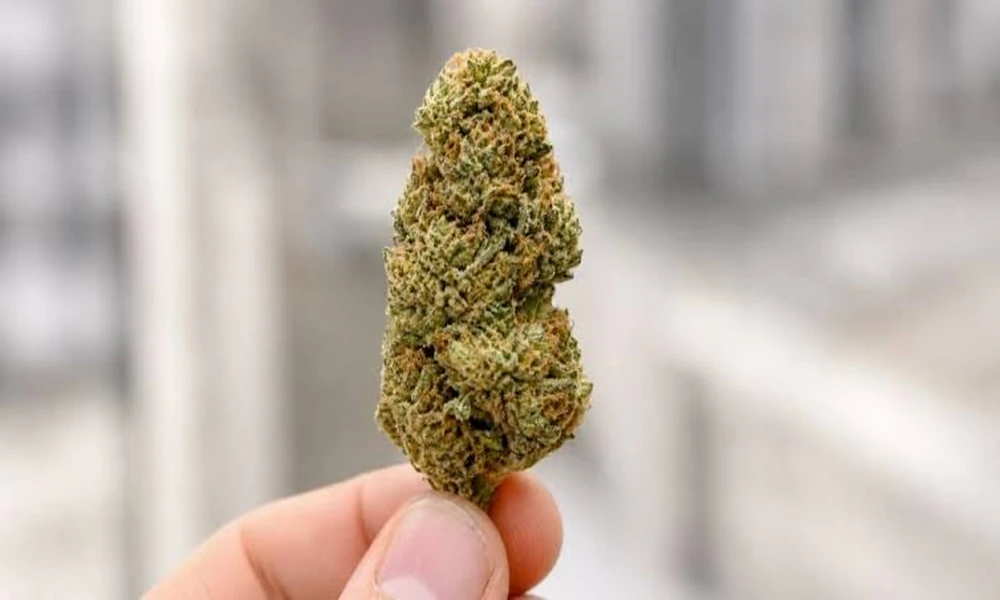
Where a THCA crop grows shapes what it produces, and that influence runs deeper than most buyers factor into selection. Potency ceiling, terpene character, physical structure, batch consistency, each of these traces back to whether the plant developed inside a controlled facility or under open sky. Selecting best thca flower starts with knowing what each method actually produces, rather than defaulting to assumptions about which one is better.
Control is what indoor growing is built around. Light cycles get set deliberately. Humidity, temperature, and CO2 stay within specific ranges throughout each phase of development. Nothing about that environment happens by accident. Outdoor cultivation works from a completely different foundation. Soil, sunlight, rainfall, and seasonal temperature are all variables a grower manages around rather than manages directly, and what the crop produces reflects that distinction at harvest.
How does the environment shape potency?
Natural sunlight covers the full spectrum but does not concentrate on the wavelengths that drive trichome development during flowering. Indoor lighting systems do. That targeted approach during critical flowering phases pushes accumulation in ways an outdoor season cannot consistently replicate from one year to the next.
Outdoor crops face a different set of pressures entirely.
- Pest pressure and UV variation trigger terpene production as a plant defence response.
- Temperature swings during late flowering interrupt accumulation at the worst possible phase.
- Favourable seasons produce results that difficult ones from the same plot cannot match.
- Soil composition varies in ways that influence mineral uptake across the entire crop.
Some outdoor stressors drive terpene complexity higher than that produced in controlled environments from identical genetics. That trade-off is real and worth accounting for when comparing both methods side by side.
What physical differences appear?
Dense, compact structure is common in indoor-grown material. Light penetration gets managed across the canopy rather than depending on sun angle or seasonal shift, and flowering sites develop accordingly. Outdoor crops tend toward larger, more open physical form. Unrestricted root space and longer natural growth cycles both contribute to that difference in appearance.
Neither form carries an automatic quality advantage. A loose outdoor specimen from a well-managed farm can test above a dense indoor one from a poorly timed harvest. Structure reflects where and how the plant grew. Certificate figures alongside physical inspection give the full picture rather than either source read in isolation.
How consistency differs across harvests?
- Run the same genetics through the same indoor environment across back-to-back cycles, and results repeat within predictable ranges when management holds between harvests. That repeatability matters to buyers who need figures and physical characteristics to stay consistent across multiple purchases over time.
- Outdoor harvests move with whatever the season delivers. One year brings consistent warmth and favourable conditions. Another brings drought, early frost, or humidity that complicates the final weeks before harvest. Neither outcome reflects poor farming necessarily. Working within environmental conditions rather than controlling them from outside means accepting that variation as part of outdoor production rather than treating it as a failure.
Buyers who need consistency lean toward indoor. Those drawn to terpene complexity and natural expression find that outdoor material from farms with strong post-harvest discipline carries characteristics that controlled environments do not replicate. Production discipline and harvest timing applied without shortcuts define thca flower across both methods, regardless of where the crop was grown.
