

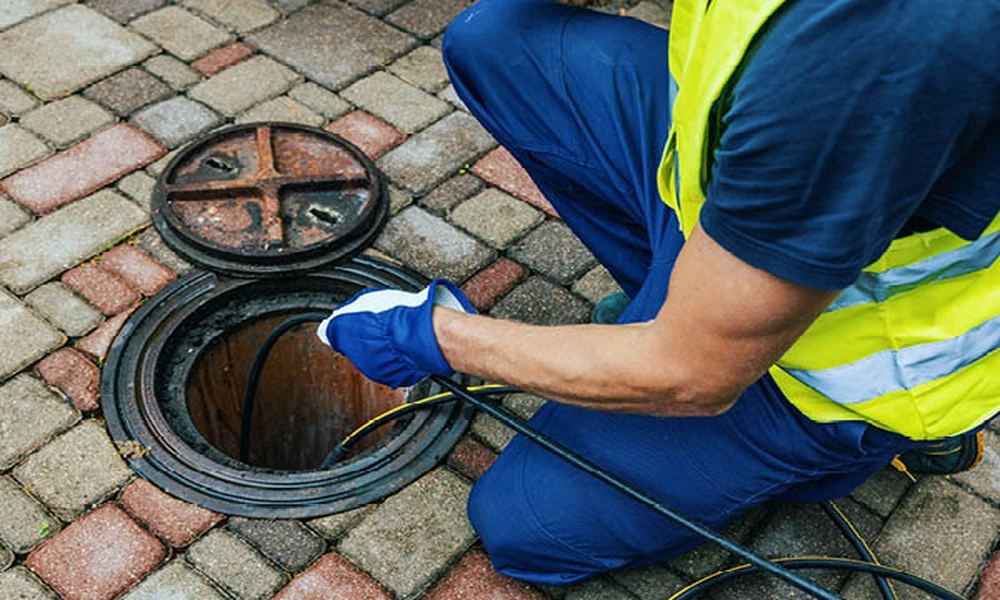
A sewer line can look perfectly fine from the yard and still be running at half its capacity underground, choked by grease, roots and sediment that no plunger will ever reach. That’s the job water jetting was made for, and homeowners looking into Madison hydro jetting will find it offered by Anglin Plumbing Service out of nearby Brandon, where it sits on the same service list as drain cleaning, sewer repair and water heater work for homes across Madison, Flowood, Pearl and Jackson.
What most people don’t get before booking is a clear picture of what the work actually involves. This walks through it piece by piece, from the machine on the trailer to the footage you should see before anyone packs up.
Pressure Gets the Credit but Flow Does the Work
Jetting rigs are usually described by their pressure rating, and residential units commonly run somewhere in the range of a few thousand PSI. That number tells you how hard the water hits. It doesn’t tell you how much water is moving, which is measured in gallons per minute and matters just as much.
Pressure breaks things loose. Flow carries them away. A small, high pressure unit with weak flow can chip grease off a pipe wall and then leave the chunks lying a few feet downstream, ready to form a new clog. A balanced machine moves enough water to sweep that debris all the way out to the city main. When comparing plumbers, it’s fair to ask what kind of equipment they bring, whether it’s a cart unit for interior branches or a trailer jetter for long main lines.
The Nozzle Decides What Gets Cleaned
The hose is just a delivery system. The real work happens at the nozzle, and an experienced technician may swap through several during a single visit.
- Penetrating nozzles fire a strong stream forward to punch through a solid blockage before anything else can happen.
- Rotating or spinning nozzles sweep jets around the full circle of the pipe, scrubbing grease and scale from the walls.
- Root cutting nozzles use focused jets or spinning heads to slice through root masses at the joints.
- Flushing nozzles put most of their water out the back, pushing loosened sludge and sand toward the street.
Every nozzle uses rear-facing jets to propel itself forward, which is why the hose seems to crawl up the line on its own. Matching the nozzle to the problem is a big part of why one jetting job holds for a year while another fails in a month.
How the Visit Usually Unfolds
Before anyone turns a valve, a few small preparations make the work faster and cleaner.
- Find the outdoor cleanout, which is often hidden under mulch or shrubs near the foundation.
- Clear a path from the driveway to that cleanout for the hose reel.
- Avoid running laundry, dishwashers or showers once the crew starts.
Most reputable plumbers begin with a camera. That first look confirms the pipe material, spots roots or sags, and shows exactly what is coating the walls. In Madison, where the housing stock runs from older homes near the original town center to large subdivisions built over the past few decades, the camera may reveal anything from cast iron with heavy scale to clean PVC carrying nothing but a grease film.
With the line mapped, the technician feeds the hose in at the cleanout and works upstream or downstream depending on where the trouble sits. Pressure gets dialed to suit the pipe. Each pass loosens a layer, and the flow carries it toward the city connection. A standard residential main usually takes somewhere between one and three hours, longer if heavy roots or decades of buildup are involved.
The visit should end the way it started, with the camera. That second look proves the walls are clean and gives you a recording that’s useful later if problems return or if you ever sell the house.
Problems Water Handles Better Than Steel
Grease is the clearest case. The EPA, in a fact sheet on controlling fats, oils and grease, points to grease from homes, restaurants and industry as the most common cause of reported sewer blockages. Kitchen grease hardens in rings along the pipe wall, and a cable only bores a narrow tunnel through it. A spinning jet removes the ring itself.
Roots come next. Mature oaks and pines across Madison send fine roots into joints and cleanout fittings chasing moisture, especially during dry late summers. Jetting with a cutting nozzle clears that growth and flushes the fragments out, though roots will return over time if the joint they entered through stays open.
Scale inside older metal pipe and sand or silt that has washed into a damaged section round out the list. In both cases, the full wall contact of water reaches buildup a cable can’t touch.
Times a Good Plumber Will Hold Off
Jetting isn’t the right call for every line, and a trustworthy plumber will say so. Pipe that has cracked, separated or collapsed can be made worse by high pressure, and water forced through a break can wash away the soil supporting the pipe. Older fiber pipe, installed in some mid-century homes, can tear apart under a strong jet.
A deep sag is another case where jetting offers limited value. The jet will clean it, but the low spot refills with solids as soon as normal use resumes. When the camera shows structural damage, the conversation should shift toward sewer repair, whether that means replacing a section or relining the pipe from inside.
What Shapes the Price
Jetting costs more than a basic cable visit, and the final figure depends on a handful of factors. The length of the line, how easy the cleanout is to reach, the amount of buildup, whether roots need cutting, and whether camera inspection is bundled in all move the number. Emergency calls outside normal hours often add to it as well.
The fairer way to judge the cost is over time. A kitchen line that gets snaked several times a year can end up costing more than a single thorough jetting that keeps it clear for a year or longer.
Keeping a Clean Line Clean
Once a sewer line has been jetted, habits decide how long it stays that way. Wiping greasy pans with a paper towel before washing, scraping plates into the trash rather than the disposal, and keeping wipes out of toilets all slow buildup considerably. Homes with heavy cooking or trees near the lateral often settle into a maintenance rhythm, scheduling a jetting every year or two and letting the camera footage guide whether that interval should stretch or shrink.
Treated that way, jetting becomes less of a rescue and more of a routine checkup for a part of the house nobody sees, which is exactly what keeps it from turning into an emergency on the night a house full of guests arrives.
