

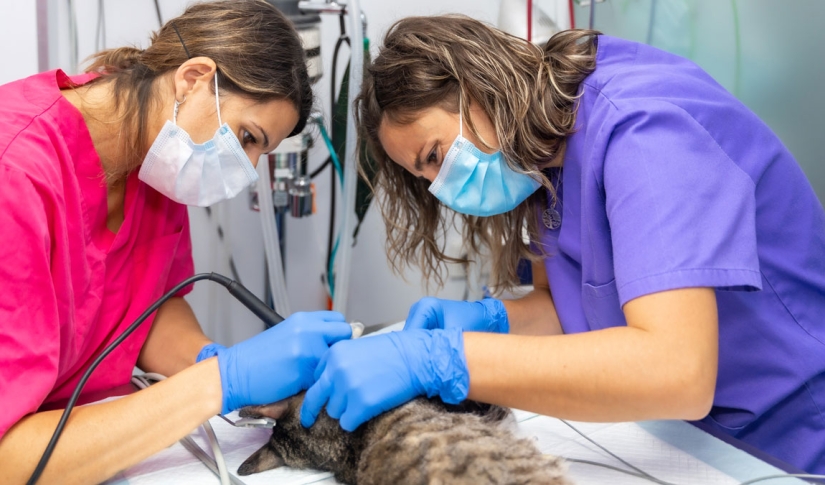
You already know the feeling. A patient crashes without warning, the waiting room is full, a storm alert hits your phone, and everyone looks to the team for calm, fast decisions. In a reliable Roanoke emergency vet and animal hospital, emergency readiness is not a nice extra. It is the difference between controlled action and chaos that costs time, trust, and sometimes lives.
That pressure sits on every role in the building. Veterinarians, technicians, assistants, client service staff, kennel teams, and managers all carry part of the response. If one step breaks, the whole system slows down. That is why how animal hospitals train teams for emergency preparedness comes down to repetition, clear roles, and plans that work when people are tired, busy, or scared.
Strong preparation does not mean trying to predict every crisis. It means building habits that hold up during medical emergencies, natural disasters, disease outbreaks, power loss, evacuation, and communication failures. Good teams train for the event itself, then train for what happens around it, including records access, supply shortages, client updates, and patient movement.
Emergency preparedness training in animal hospitals starts with role clarity
Most breakdowns in a hospital emergency are not caused by lack of caring. They come from confusion. Who calls the code. Who grabs oxygen. Who contacts pet owners. Who secures hospitalized animals if the building must be cleared. In the moment, people fill gaps based on instinct, and instinct varies from person to person.
Emergency preparedness training in animal hospitals fixes that by assigning roles before the crisis starts. Teams often use written response maps for common events such as cardiopulmonary arrest, fire, severe weather, mass casualty intake, and infectious disease exposure. Each role is simple and visible. One person leads. One documents. One manages drugs and equipment. One handles client communication. One controls traffic in and out of treatment areas.
This also protects newer staff. A technician in training should not have to guess what to do during a code or an evacuation. A receptionist should not be left wondering whether to answer phones, lock doors, or print records. Training removes that mental fog and gives people something steady to follow.
Animal hospital crisis response depends on drills, not binders
Every hospital has policies that look solid on paper. The real test comes when the oxygen alarm sounds or the internet goes down in the middle of a packed afternoon. Teams do not rise to the level of the binder. They fall to the level of practice.
That is why drills matter. Short code drills, mock evacuations, and tabletop exercises help staff rehearse rare but high stress situations. A five minute scenario before appointments start can reveal major gaps. Maybe the backup flashlight batteries are dead. Maybe controlled drug access slows emergency treatment. Maybe nobody knows where transport carriers are stored for hospitalized cats.
Federal training resources can support this process. The USDA APHIS offers NAHEMS educational and training materials that help animal health teams prepare for emergency events and disease response. For hospitals that want to strengthen national incident awareness and veterinary response planning, the National Training and Exercise Program provides useful guidance for structured exercises.
Practice should include communication failures too. What happens if your practice management software is offline. What if cell service drops. What if a client arrives during a lockdown or evacuation order and demands immediate answers. Those are not side issues. They shape how safely and smoothly care continues.
Preparedness in an animal hospital includes facilities, records, and legal duties
Medical skill is only one part of readiness. The hospital building itself has to support emergency response. That means checking exits, oxygen systems, generators or backup power plans, refrigeration for medications, isolation spaces, and safe routes for moving animals who cannot walk. It also means protecting records and keeping critical patient information accessible if normal systems fail.
There is a financial side too. A poorly handled emergency can lead to damaged equipment, lost inventory, staff injury, patient harm, and canceled appointments for days. Training costs time and payroll, but a weak response often costs much more. You feel that fast when one missed step turns a manageable event into a full shutdown.
Some facilities also need to meet specific planning standards. The USDA outlines the contingency planning rule, which helps regulated animal facilities prepare for emergencies that affect animal care. Even when a general animal hospital is not directly governed by every part of that framework, the planning logic is sound. Written protocols, staff training, and regular review make the entire operation safer.
Training methods work best when they match real hospital risk
Not every hospital needs the same plan. A small companion animal clinic in a flood zone has different risks than a 24 hour emergency hospital, a mixed practice, or a specialty center handling oxygen dependent patients all day. The best animal hospital emergency planning is specific to your caseload, facility layout, staffing model, and regional hazards.
| Training Method | What It Covers Well | Common Weak Spot | Best Use |
|---|---|---|---|
| Written protocols | Role definitions, contact lists, step by step procedures | Staff may not remember details under stress | Baseline reference for all team members |
| Tabletop exercises | Decision making, communication flow, leadership gaps | Does not test movement or equipment access | Storms, outbreaks, evacuation planning |
| Live drills | Speed, coordination, equipment readiness | Can disrupt workflow if poorly timed | Codes, fire response, patient relocation |
| Post incident reviews | Real lessons from actual events | Teams may avoid honest feedback without trust | Updating plans after emergencies or near misses |
The most reliable system uses all four. A written plan gives structure, tabletop sessions sharpen judgment, live drills test reality, and post incident reviews keep the plan honest. That mix turns a generic emergency manual into a living part of daily operations.
Three steps can strengthen veterinary emergency response right away
Run one short scenario this week. Pick a single event such as a code blue, kennel fire, or sudden evacuation. Limit it to ten minutes. Watch where people hesitate, what equipment is missing, and who needs a clearer role. Small drills done often beat one big annual training that everybody forgets.
Build a one page emergency role sheet. Put the first actions for each position on one page and store it where staff can see it fast. Include contacts, shutdown steps, animal movement priorities, and backup communication methods. Long manuals still matter, but one page is what people reach for during noise and pressure.
Review after every real incident, even the minor ones. If a storm warning forced schedule changes or a patient crash exposed a delay, talk about it the same day if possible. Keep the review plain. What worked. What failed. What changes by tomorrow morning. That habit is where a safer animal hospital culture starts to take shape.
No team gets this perfect. The goal is not perfection. The goal is a hospital where people know their role, trust the plan, and can protect animals even when the day goes sideways. If you are building or updating your emergency process, start with one drill, one written role sheet, and one honest review. That is how readiness becomes real.
