

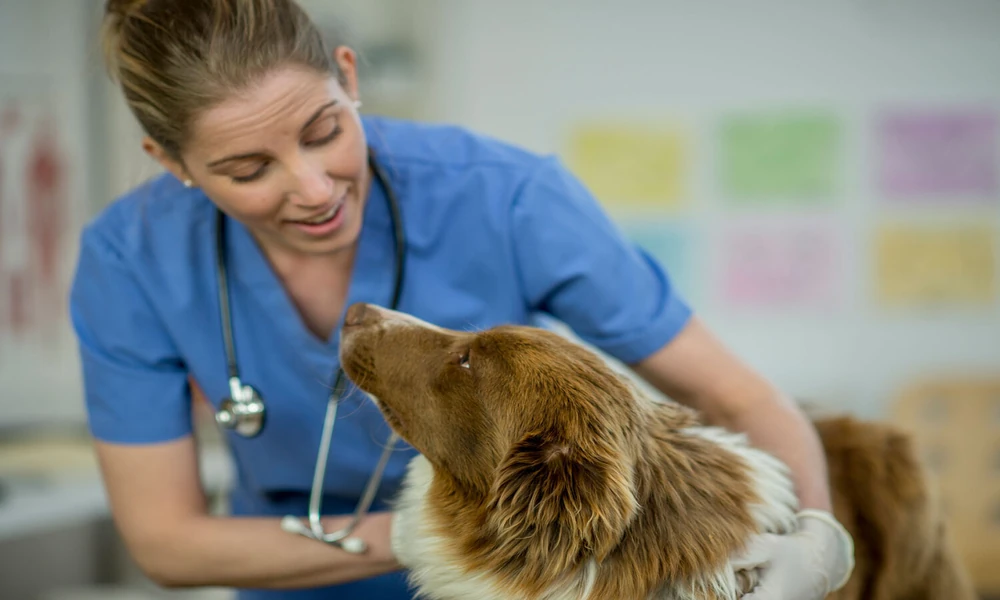
You might have noticed the change slowly. Your dog sleeps a little longer and seems less sure on the stairs. Your cat, once quick to jump onto the couch, now pauses and thinks about it first. Maybe there have been accidents in the house, a change in appetite, or moments when your pet seems confused in a familiar room. That shift can be hard to name, and talking with a veterinarian in East San Jose may help, because part of you hopes it is just a quiet phase, and part of you worries it is something more.
If that sounds familiar, you are not overreacting. Aging in pets often shows up in small ways before it becomes obvious, and that is exactly why regular monitoring matters. How vets monitor senior pets for age related issues usually comes down to a simple goal, which is finding problems early, tracking changes over time, and helping your pet stay comfortable for as long as possible. A general veterinarian will often use exams, lab work, mobility checks, behavior questions, and follow up visits to build a clear picture of your pet’s health.
Why can age related issues in older pets be so easy to miss?
Senior pets do not always show pain or illness in a dramatic way. Many animals adapt. They move less, drink more, sleep differently, or become quieter, and those changes can look like “just getting old.” Because of this, you might wonder whether a vet visit will really tell you anything new. In many cases, it does.
Senior pet health monitoring is not only about reacting to disease. It is about spotting patterns. A veterinarian may compare weight, muscle tone, dental health, heart and lung sounds, joint stiffness, skin condition, and mental sharpness from one visit to the next. That comparison matters because kidney disease, arthritis, thyroid problems, diabetes, hearing loss, vision changes, and cognitive decline often begin gradually.
For cats, subtle signs are especially common. A senior cat may hide more, groom less, or avoid the litter box because climbing into it hurts. Cornell’s guide to special needs in senior cats explains how age related changes can affect daily life in ways owners may not notice right away.
Dogs can show a different pattern. You may see pacing at night, staring at walls, getting stuck behind furniture, or seeming less interested in family routines. Those changes can point to canine cognitive dysfunction, which is sometimes compared to dementia in people. Cornell’s page on senior dog dementia outlines the signs that often bring families to the vet.
What does a veterinarian actually check during senior pet care visits?
When people think about monitoring older pets for health problems, they often picture one annual exam. For many senior pets, though, that is not enough. A veterinarian may recommend checkups every six months, since pets age faster than people do and a lot can change in a short time.
During those visits, the exam is usually broader than many owners expect. Your vet may ask about thirst, appetite, bathroom habits, sleep, energy, mobility, confusion, anxiety, and behavior around other pets. They may watch how your pet walks, check for pain along the spine and joints, look in the mouth for dental disease, feel the abdomen for organ changes, and listen for heart murmurs or breathing changes.
Lab tests are also a big part of the picture. Blood work and urine testing can help catch kidney disease, liver problems, diabetes, thyroid disease, anemia, infection, and other concerns before symptoms become severe. In some cases, blood pressure checks, X rays, ultrasound, or eye exams are added if your pet’s signs point in that direction.
So, where does that leave you? It means a good veterinary plan is not just one test or one appointment. It is a series of check ins that create a health timeline for your pet.
Which signs should you track at home before a general veterinarian visit?
Home observation gives your vet context that no single exam can provide. If your cat starts drinking more water, or your dog seems restless after dark, that detail may help connect the dots. Even small notes can matter, especially when symptoms come and go.
| What to Watch | Possible Concern | Why It Helps Your Vet |
|---|---|---|
| Increased thirst or urination | Kidney disease, diabetes, hormonal issues | Shows patterns that may support blood and urine testing |
| Weight loss or muscle loss | Thyroid disease, cancer, chronic illness | Helps compare body condition over time |
| Stiffness, limping, reluctance to jump | Arthritis or pain | Guides mobility exams and pain management plans |
| Night waking, pacing, confusion | Cognitive decline, anxiety, pain | Helps separate behavior changes from medical causes |
| Bad breath, dropping food, chewing less | Dental disease | Points to oral pain that pets often hide |
This is one reason senior pet wellness exams work best when they combine professional testing with what you see every day at home.
What can you do right now to support age related monitoring?
1. Start a simple weekly log.
Write down appetite, water intake, bathroom habits, sleep, movement, and any unusual behavior. Keep it short so you will actually use it. A few notes each week can reveal a pattern you might otherwise miss.
2. Schedule regular senior checkups.
If your pet is entering the senior years, ask your general veterinarian how often visits should happen. Many older pets benefit from exams every six months, even when they seem stable. That timing can make early treatment much easier.
3. Bring specific examples, not just general worries.
Instead of saying your pet is “acting old,” describe what has changed. For example, say your dog paces from 1 a.m. to 3 a.m., or your cat no longer uses the top level of the cat tree. Clear examples help your vet choose the right next steps.
How do you move forward without feeling overwhelmed?
You do not have to figure out every symptom on your own, and you do not need to wait until something feels urgent. Aging brings change, but it does not mean your pet cannot still have comfort, routine, and good days ahead. Careful monitoring gives you a better chance to catch problems early, manage pain, and protect quality of life.
If your senior pet has been acting differently, now is a good time to book a visit with a general veterinarian and start tracking those changes. That one step can bring a lot more clarity than guesswork ever will.
