

You might notice a small change first. Maybe your dog is sleeping more than usual, your cat is hiding, or your older pet seems a little less eager at mealtime. It is easy to second guess yourself in those moments. Is it just age, stress, or something that will pass by tomorrow? That uncertainty can sit heavily with you, because when an animal cannot explain what hurts, every small sign can feel loaded with meaning. If you are looking for pet care services in Tomball, those concerns can feel even more urgent when you are trying to decide what your pet needs next.
That is where the role of veterinary hospitals in early disease detection becomes so important. Early screening and timely exams can catch illness before it grows harder, more painful, and more costly to treat. In simple terms, veterinary hospitals help spot changes sooner, confirm what is going on, and guide you toward care while there are still more options on the table.
Why do small symptoms matter so much in veterinary disease detection?
Pets are often skilled at masking pain. In the wild, weakness can be dangerous, and that instinct has not fully gone away. Because of this, what looks minor at home can sometimes point to a deeper problem. A little weight loss may signal dental disease, diabetes, kidney trouble, or even cancer. A mild cough could be irritation, but it could also be the start of heart disease or an infection. A change in thirst might seem harmless until lab work shows something else entirely.
So, where does that leave you? Usually in a place that calls for more than guesswork. A veterinary hospital does more than provide treatment after a diagnosis. It creates a system for finding trouble early through physical exams, lab testing, imaging, and follow up care. That is a big part of early illness detection in animals, especially when symptoms are vague or easy to overlook.
There is also a public health layer that matters. Disease surveillance helps professionals track patterns, identify outbreaks, and respond before problems spread. If you want to understand how this works on a broader scale, the USDA outlines the value of animal disease surveillance in protecting animal health and supporting faster response.
What makes a veterinary hospital different from waiting and watching?
Waiting can feel reasonable when your pet still seems mostly normal. The trouble is that many diseases progress quietly. Kidney disease, thyroid issues, heart problems, parasites, and some infections may develop long before a pet looks seriously ill. By the time symptoms are obvious, the disease may be more advanced, and treatment may involve more time, more testing, and more expense.
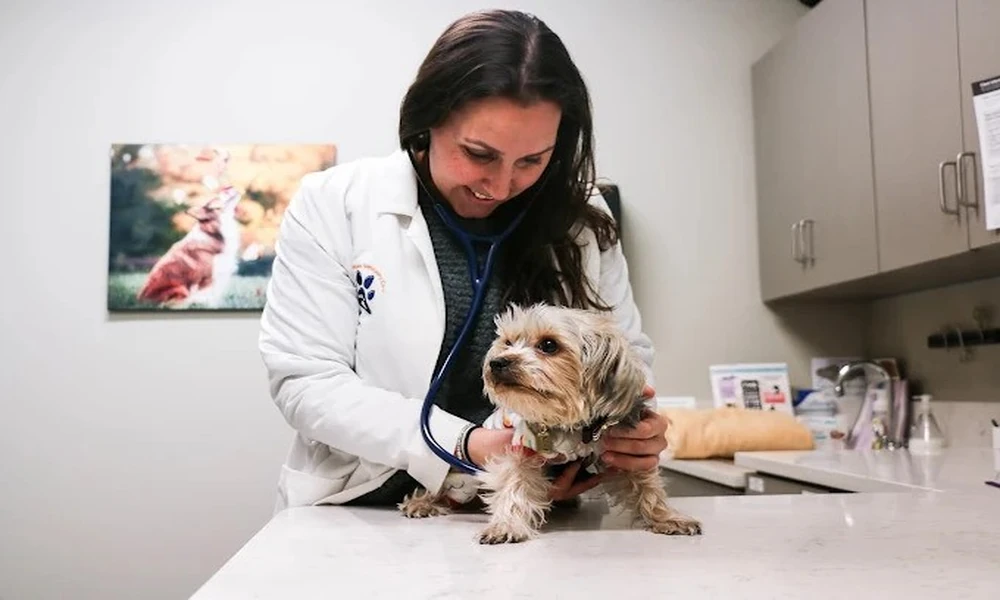
A veterinary hospital is set up to connect the dots. During an exam, a clinician may notice subtle weight change, gum color, heart rhythm changes, abdominal pain, skin issues, or joint stiffness that are easy to miss at home. From there, bloodwork, urinalysis, fecal testing, imaging, or cytology can narrow the possibilities. In some cases, samples may also be sent to advanced diagnostic labs such as the Cornell Animal Health Diagnostic Center for deeper analysis.
This is the practical side of veterinary hospital care. It is not just about reacting when a pet is in crisis. It is about building a clearer picture early enough to act with more confidence.
How does early detection change outcomes for pets and families?
When illness is found early, treatment is often simpler. A urinary infection caught soon may be managed before it reaches the kidneys. Dental disease found during a routine exam may be addressed before infection spreads or teeth are lost. A lump checked promptly may turn out benign, or if it is serious, treatment can begin before the condition advances.
There is an emotional benefit too. Uncertainty drains people. When you know what you are dealing with, even if the news is hard, you can make decisions with less fear and more clarity. Financially, early care can also reduce the chance of emergency visits, hospitalization, or intensive treatment later. No one can promise a perfect outcome, but earlier answers usually open more paths forward.
What practical signs should you compare before deciding to call a veterinary hospital?
It helps to look at changes through a simple lens. Not every symptom means an emergency, but patterns do matter.
| What You Notice | Possible Meaning | Why Early Evaluation Helps |
|---|---|---|
| Eating less for more than a day | Dental pain, stomach upset, infection, organ disease | Can prevent dehydration, weight loss, and delayed diagnosis |
| Drinking or urinating more | Diabetes, kidney disease, hormone issues | Lab tests may catch disease before major decline |
| Coughing or low stamina | Heart disease, airway disease, infection | Imaging and exam findings can guide treatment sooner |
| Vomiting or diarrhea that keeps returning | Parasites, dietary issues, inflammation, infection | Testing can identify causes before the problem worsens |
| New lump or swelling | Cyst, abscess, benign growth, cancer | Sampling early may allow easier treatment choices |
What can you do right now if you are worried about your pet?
1. Track the changes clearly. Write down when the symptom started, how often it happens, and anything that seems to make it better or worse. Note appetite, water intake, bathroom habits, energy level, and any weight change. A short video can help too, especially for coughing, limping, or unusual behavior.
2. Do not wait for a crisis to book an exam. If something feels off, trust that instinct. Routine visits are one of the strongest tools in early disease diagnosis for pets. Senior pets, pets with chronic conditions, and breeds with known risks may need closer monitoring.
3. Ask about screening and follow up. During the visit, ask whether bloodwork, fecal testing, urinalysis, blood pressure checks, or imaging make sense for your pet’s age and symptoms. Then ask when rechecks should happen. Early detection works best when it is part of an ongoing plan, not a single appointment.
When uncertainty is the hardest part, what should you remember?
You do not need to have all the answers before reaching out. You just need to notice that something has changed and take that change seriously. The role of veterinary hospitals in early disease detection is to help turn uncertainty into information, and information into a plan that protects your pet’s comfort and health.
If your pet seems different, now is a good time to schedule an evaluation with a trusted veterinary hospital. Acting early may spare your pet added pain and give you more choices, more clarity, and a steadier path forward.
