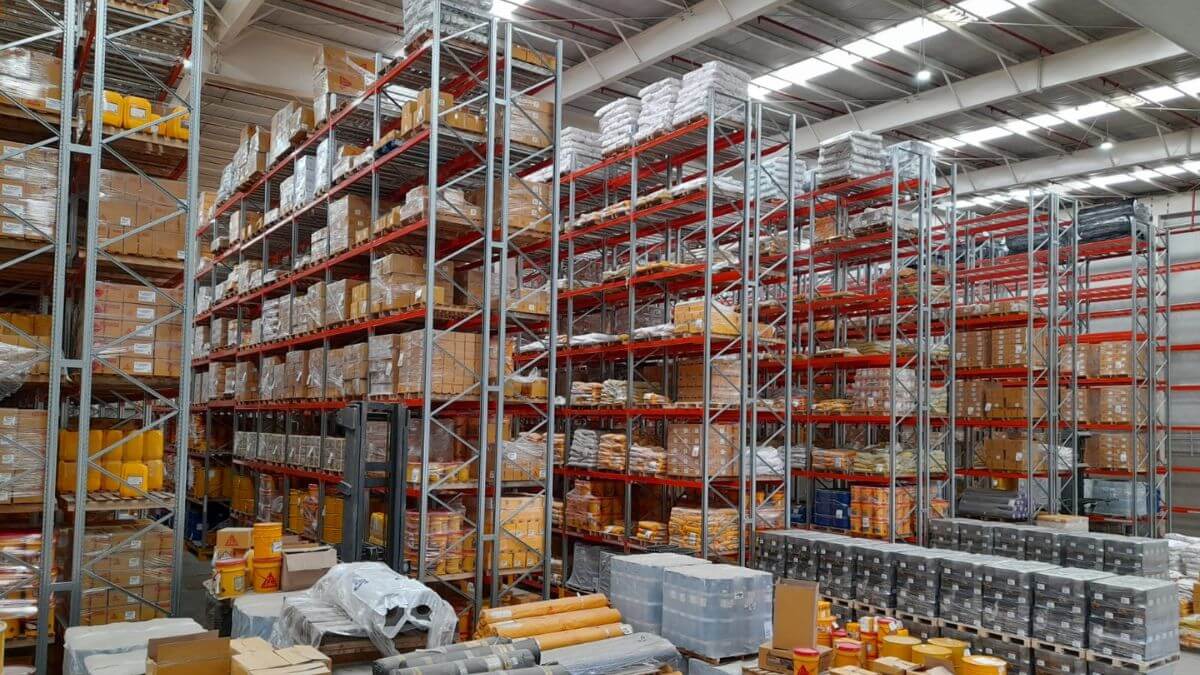
Internal delivery problems cost companies time and money every single day. Orders get stuck waiting for vehicle assignments. Routing decisions take forever. Products sit in warehouses when they should be moving. Transportify for business logistics gives companies ways to spot where their internal systems fail and tools to fix those failures before they hurt the bottom line.
Workflow analysis
Bottlenecks usually hide in processes nobody bothers questioning anymore. Orders come in through email, phone, and web forms that don’t talk to each other. Employees spend hours copying information between systems by hand, which creates mistakes. Three different managers have to approve routine shipments that could go out automatically. The warehouse uses printed lists while drivers have scanners, so information gets lost at handoff. Looking hard at these workflows shows which steps serve no real purpose. Some businesses still send faxes. Others require physical signatures for internal transfers that could be digital. Drawing out how work actually moves through the company versus how it should move exposes where updates would cut delays.
Centralized dispatch operations
Scattered control over deliveries creates constant chaos. Sales promises delivery dates without checking if drivers are available. Warehouses load trucks based on which orders came in first instead of which routes make sense. Drivers get their assignments through random text messages. Putting one dispatch team in charge of all vehicle assignments, routes, and schedules fixes this mess. That team sees everything happening across the operation instead of just pieces. They match trucks with deliveries based on capacity, location, and how urgent things are. Drivers get instructions through apps that show pickup spots, delivery addresses, and anything special about the cargo.
Technology implementation
Manual systems fall apart when volumes grow past what people can track in their heads. Software built for logistics handles the complexity. Routing programs look at traffic, delivery windows, and truck capacity all at once to figure out the best delivery order.
- Live tracking – Managers see where every truck is, which orders are waiting, and how much got done across the whole operation
- Automatic alerts – Customers get messages when orders ship, when drivers get close, and when delivery happens
- Digital proof – Electronic signatures and photos replace paper that gets lost
- Linked inventory – Warehouse systems connect to dispatch, so nobody accepts orders for stuff that’s out of stock
- Historical reports – Data from past weeks shows patterns in delivery times, which routes run slow, and where drivers need help
Software takes over repetitive tasks accurately while letting staff focus on problems that need human decisions.
Communication protocols
Departments working in the dark about what others are doing create delays that don’t need to happen. Warehouses don’t know about rush orders, sales just took. Drivers hit locked gates or wrong addresses and can’t reach anyone who can help.
- One system – Everyone uses the same platform instead of mixing emails, texts, calls, and chat apps
- Clear rules – Guidelines show which problems employees handle alone and which need supervisor involvement
- Good handoffs – Shift changes include briefings so new teams know what problems are carried over
- Quick logging – Drivers record issues immediately instead of trying to remember later
- Team meetings – Operations groups discuss repeating bottlenecks and test whether fixes actually worked
Better information flow catches small issues before they snowball into major stoppages. Fixing internal bottlenecks means examining workflows, centralizing dispatch, adding the right technology, matching resources to real demand, and improving how departments communicate. Companies that tackle these areas systematically move deliveries faster and spend less money doing it.