

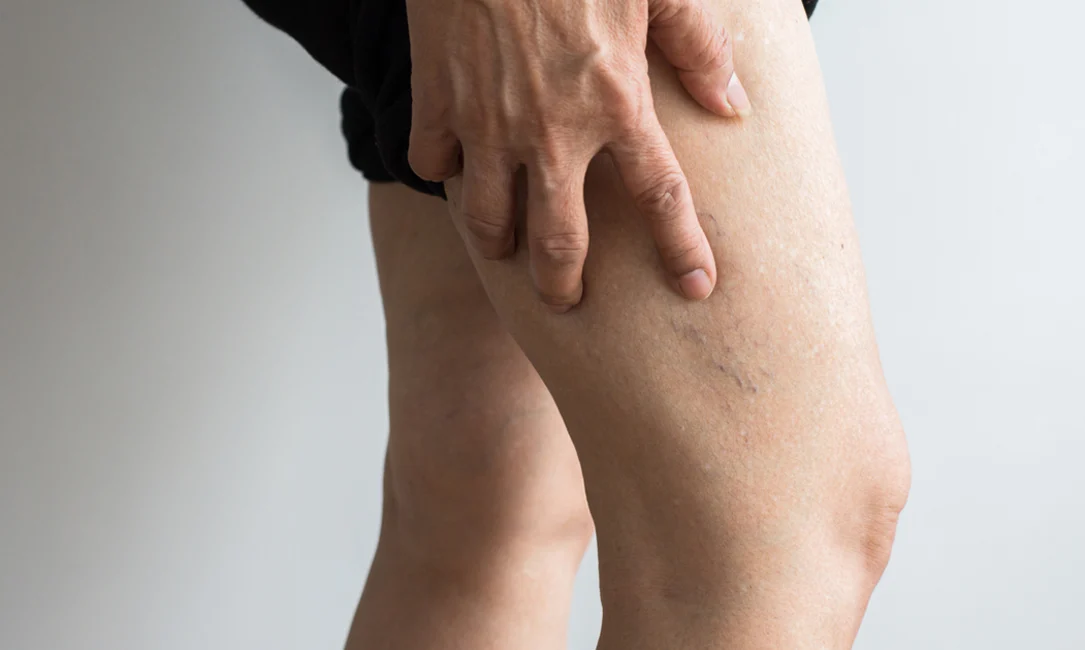
Deep vein thrombosis is a condition that occurs when blood clots into one or more deep veins in your body, usually due to damage to a vein from surgery or trauma. It may occur without symptoms, but usually, it causes symptoms such as pain, swelling, skin discoloration, and a feeling of warmth in the affected leg. It is essential to see your specialist at Jackson Heights vascular center for treatment to avoid complications such as pulmonary embolism.
What causes deep vein thrombosis?
Any problem affecting blood flow and clotting can cause a blood clot in one of your deep veins. Damage to the veins due to infections, trauma, surgery, and inflammation is a common cause of deep vein thrombosis. The following are risk factors linked to this problem.
Risk factors for deep vein thrombosis
- Long hours of sitting. Contraction of calf muscles in your legs helps with the circulation of blood. When you sit for long hours, the muscles do not contract, and therefore there is poor blood flow. For this reason, you should walk around after every 30 minutes when you are traveling long distances or working a desk job.
- Pregnancy. During pregnancy, the pressure in your veins and pelvis increases, putting you at risk of blood clotting. Your risk is even higher if there is a predisposition to clotting disorder in your family. The risk of blood clotting in pregnant women can continue up to six weeks after childbirth.
- Age. Your risk of deep vein thrombosis increases as you become older. Although DVT can occur in people of different ages, older adults 60 years and above are more susceptible.
Other risk factors for deep vein thrombosis include smoking, obesity, illnesses such as cancer and heart failure, and increased estrogen resulting from oral contraceptives and hormone replacement therapy.
Possible complications of deep vein thrombosis
- Postphlebitic syndrome.
Blood clots damage your blood vessels, restricting blood flow to the affected areas. The result is usually pain, swelling, and skin discoloration.
- Pulmonary embolism
It is a life-threatening condition that can occur when a blood clot breaks free and travels to the blood vessels in your lungs. When this happens, you may experience symptoms such as sudden chest pain, shortness of breath, rapid pulse, and fainting.
- Treatment complications.
Blood thinners used to treat deep vein thrombosis put you at risk of bleeding. Your doctor may recommend regular blood tests if you are on these medications.
How can I prevent deep vein thrombosis?
Manage your weight. Obesity increases the pressure in your pelvis and veins, increasing your chances of blood clots. Losing extra pounds and maintaining a healthy weight can help you prevent deep vein thrombosis. You can lose excess weight through simple lifestyle modifications such as eating healthy and exercising regularly.
Quit smoking. Smoking is a risk factor for deep vein thrombosis and other conditions such as lung cancer. Quitting smoking is good for your overall well-being.
Do not sit for long hours. Occasionally stand and walk if your work requires you to sit for long hours or if you are traveling a long distance.
For further questions about deep vein thrombosis, consult with your specialist at Premier Vascular.
