

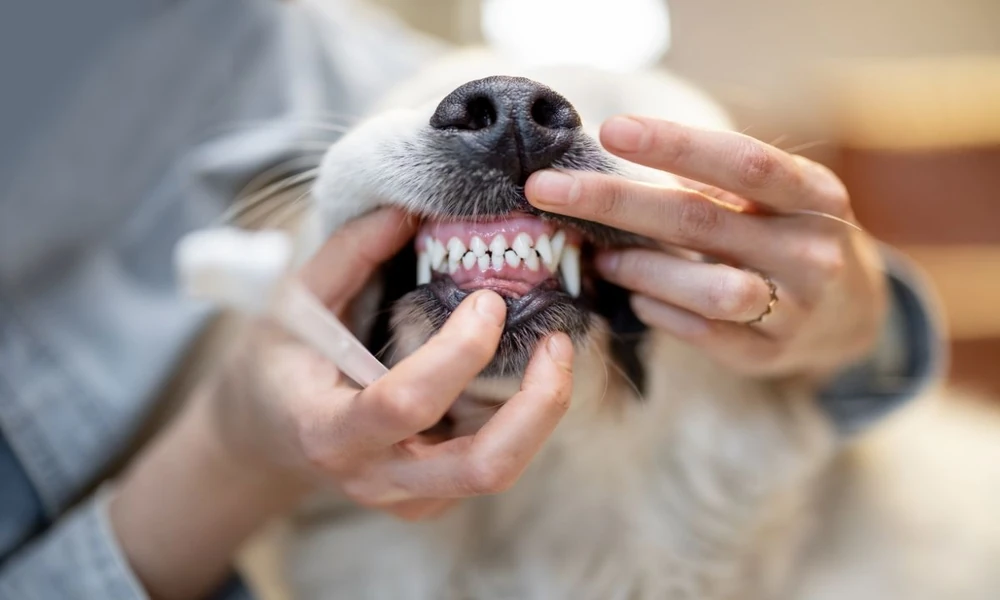
You probably didn’t expect your pet’s bad breath to mean much. A little odor seems normal when you live with a dog who eats mystery crumbs off the floor or a cat who refuses every toy except the cardboard box it came in. Then you notice red gums, trouble chewing, or a pet who still acts happy but pulls away when you touch the face. That is where a lot of people get stuck, and a Faggs Manor veterinarian can help identify what is wrong. Pets hide pain well, and dental disease often grows quietly until it affects eating, sleep, mood, and overall health.
Dental care for pets is not cosmetic. It is basic medical care. Plaque hardens into tartar, bacteria move under the gumline, and what starts in the mouth can lead to infection, tooth loss, and strain on the body. Routine home care and regular veterinary exams catch problems earlier, when treatment is simpler and less expensive. Good pet dental health protects more than teeth. It protects comfort.
Pet dental disease often starts small and gets expensive fast
The hard part is that early dental disease does not always look dramatic. Your dog may keep eating. Your cat may keep grooming and sitting in the same sunny spot. You see a little yellow buildup and assume it can wait. Meanwhile, bacteria are working below the surface, inflaming the gums and loosening the tissues that hold teeth in place.
By the time a pet drops food, paws at the mouth, stops chewing toys, or resists dry food, the problem is often advanced. A cracked tooth, an abscess, or severe gum disease can mean pain every single day. Some pets become quieter. Some get irritable. Some seem normal because survival teaches animals to mask weakness. That is why oral exams matter even when your pet seems fine.
According to Texas A&M Veterinary Medicine, dental disease is one of the most common health issues seen in pets, and pet dental care is important because oral disease can affect the whole body. Bacteria and chronic inflammation do not stay politely contained in the mouth. They can contribute to broader health concerns and make existing issues harder to manage.
The financial side hits, too. A toothbrush, dental wipes, or approved chews cost far less than extractions, advanced cleanings, pain medication, and follow up care. Most people are not avoiding dental care because they do not care. They are juggling work, family, costs, and a pet who hates having the mouth touched. That is real. It still helps to know that waiting often raises both the risk and the bill.
General veterinarian visits catch signs you cannot see at home
Home care matters, but it has limits. You can see the outer surface of a few teeth. You cannot see under the gums, and you cannot safely assess pockets of infection, root damage, or painful lesions in the back of the mouth. A general veterinarian checks for those signs during routine exams and helps you decide whether your pet needs a professional dental cleaning.
Veterinary dentistry has also advanced in ways many pet owners do not realize. Better imaging, stronger pain control, and more targeted treatment help protect comfort and function. Rowan University highlights how veterinary dentistry supports pet dental health through modern care and earlier intervention. That matters because preserving healthy teeth is easier than trying to fix severe disease later.
This is also where people get tripped up by anesthesia fears. The concern makes sense. No one likes the idea of anesthesia for a pet. Still, a proper dental cleaning that treats disease below the gumline usually requires it for safety, pain control, and a complete exam. Skipping needed treatment because the pet still acts normal can leave them living with pain you cannot fully see.
Daily pet oral care and professional treatment do different jobs
Pet oral care at home helps slow plaque buildup. Professional dental treatment removes disease you cannot reach. One does not replace the other.
| Care Option | What It Helps With | Limits | Best Use |
|---|---|---|---|
| Tooth brushing at home | Reduces plaque on visible tooth surfaces | Does not clean under the gums or treat infection | Daily prevention between vet visits |
| Dental chews or approved oral products | May lower plaque and freshen breath | Results vary, not enough for active dental disease | Supportive care for pets who tolerate them |
| Routine veterinary oral exam | Finds gum disease, loose teeth, pain, and hidden issues | May not show the full extent without dental imaging | Early detection and treatment planning |
| Professional dental cleaning and treatment | Removes tartar above and below the gumline, treats disease | Requires scheduling, cost, and often anesthesia | Managing active disease and preventing progression |
A real life example makes this clearer. A dog with light tartar and mild gum redness may do well with improved home brushing, dental products your veterinarian recommends, and close follow up. A cat with resorptive lesions, heavy tartar, and inflamed gums needs more than brushing. Trying to manage painful disease with treats and wipes alone does not solve the problem.
Small changes at home can protect your pet’s mouth
Start with a mouth check your pet can tolerate. Lift the lip for two seconds, not two minutes. Look for red gums, brown buildup, broken teeth, drooling, swelling, or one sided chewing. If your pet jerks away or cries out, stop and call your veterinarian. Pain changes the plan.
Build a simple routine instead of aiming for perfect brushing. If your pet accepts a toothbrush, great. If not, begin with a finger brush, dental wipe, or veterinary approved oral product. Consistency beats intensity. Ten calm seconds each evening does more good than one wrestling match every three weeks.
Schedule a veterinary dental exam before symptoms get obvious. Bad breath is a symptom, not a personality trait. If your pet already has odor, visible tartar, or gum redness, a general veterinarian should assess the mouth. Early treatment often means fewer complications and a more comfortable recovery.
Comfort is the real goal of dental care for pets
Your pet does not need perfect white teeth. Your pet needs a mouth that does not hurt. That is the standard worth aiming for. When dental care becomes part of regular health care, you catch problems sooner, protect daily comfort, and lower the odds of bigger treatment later.
If you have noticed bad breath, tartar, or changes in eating, schedule an appointment with a general veterinarian and get your pet’s mouth checked. A small step now can spare your pet a lot of quiet pain.
