

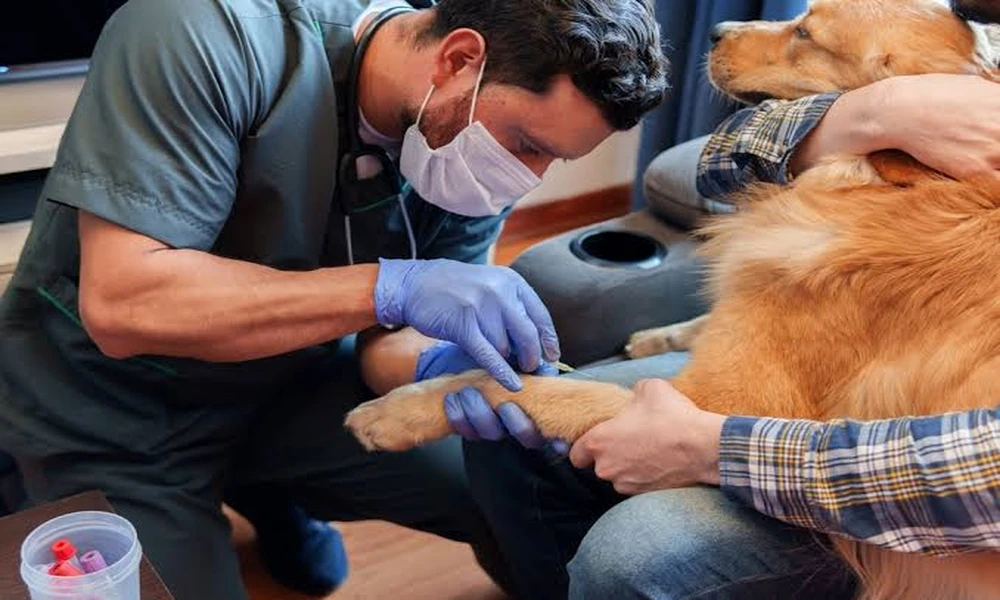
If your pet needs care and the appointment is happening at your building, you are probably juggling more than the pet’s symptoms. If you are scheduling a mobile vet in Ouachita Parish, you may be thinking about lobby rules, parking limits, elevator access, front desk procedures, and whether the veterinarian will get stuck outside while your anxious pet gets more worked up inside. That stress is real. A mobile appointment is supposed to make things easier, but buildings add another layer that can slow everything down if key details are missing.
The fix is usually simple. Share the right access information before the visit, and your mobile veterinarian can arrive, enter, unload supplies, and reach your unit without avoidable delays. That matters for routine care, and it matters even more when your pet is painful, scared, or too fragile for a long wait.
Building access details shape the whole mobile vet visit
A house call works best when the veterinarian can focus on your pet instead of solving entry problems at the curb. In an apartment, condo, or managed building, access issues tend to stack up fast. One locked side entrance leads to a call from the parking lot. A freight elevator needs a reservation. The concierge wants the provider’s full name. A loading zone allows ten minutes, not thirty. None of this sounds huge on its own, but together it can cut into your appointment time.
You see the effect right away. Your pet senses the delay. You are watching your phone, trying to coordinate the front desk while calming an animal who already hates new people. If the visit involves diagnostics, medication, or end-of-life support, those minutes feel even heavier.
That is why access information for a mobile vet visit should be treated like part of the medical prep. It is not just a courtesy. It is part of getting care started on time and with less strain on everyone involved.
The six access details to share before a mobile veterinarian appointment
1. The exact building address and best entrance. Large complexes often have multiple towers, wings, or doors that all use the same street address. Share the entrance name, door number, or landmark that will get the veterinarian closest to you.
2. Parking instructions and time limits. Tell them where they can legally park, whether guest parking needs a permit, and how long they can stay. If there is a loading area, say that clearly. Mobile vets often carry equipment, medications, and supplies, so parking distance changes the flow of the visit.
3. Gate codes, call box directions, or front desk check-in rules. If your building requires a code, guest registration, ID check, or verbal approval from the desk, send that in advance. If the call box uses your last name or unit nickname instead of your unit number, mention it.
4. Elevator access and reservation requirements. Some buildings require residents to book a service elevator, use a key fob, or avoid move-in hours. If the regular elevator is small and the freight elevator is the only practical option, say so before the appointment day.
5. Unit location and indoor directions. “Building C, 14th floor, left out of the elevator, third door on the right” is far more useful than just a unit number. Hallways can be confusing, especially in complexes where numbering does not follow a clear pattern.
6. Any pet, safety, or emergency restrictions in the building. Let the veterinarian know if your building has breed restrictions, strict noise rules, or security procedures that affect animal handling. If your pet has a history of bolting into the hall, tell them before the door opens. Planning ahead reduces risk during arrival and departure.
These details matter even more in urgent situations. Basic emergency planning always comes down to clear routes, access points, and communication. FEMA’s guidance on home escape plans reflects the same principle. People and animals do better when everyone knows how to get in, get out, and move safely under stress.
Missing access details can create medical and practical problems
The most obvious problem is lateness, but the bigger issue is what lateness does to the visit. A nervous cat may hide deeper. A dog in pain may become less tolerant of handling. A pet who needs sedation, wound care, or a gentle exam benefits from a calm start, not a rushed one. If the veterinarian is carrying supplies across several entrances or waiting for approval in the lobby, the tone of the appointment changes before it begins.
There is also the building side of the problem. Some managers do not allow vendors upstairs without advance notice. Some elevators lock after certain hours. Some garages reject oversized vehicles. A little planning can prevent a failed arrival or a rescheduled visit.
Preparedness training often focuses on reducing confusion before it turns into a bigger problem. FEMA’s emergency management training resources and its independent study material on preparedness both reinforce a simple truth. Small details shared early can prevent larger disruptions later.
Shared access details make the appointment smoother for you and your pet
| Before You Share Access Details | After You Share Access Details |
|---|---|
| Vet waits outside or calls repeatedly from the curb | Arrival is direct, and the appointment starts closer to the planned time |
| Your pet stays anxious longer while you coordinate entry | Your pet settles sooner because the visit begins with less disruption |
| Parking problems cut into exam time | Equipment and supplies reach your unit with fewer delays |
| Front desk confusion creates tension | Building staff know who is coming and why |
| Risk of rescheduling if access fails | Better chance of completing the visit in one trip |
Three steps to prepare for a smooth mobile vet service visit
Send one complete message the day before. Put the address, entrance, parking instructions, codes, front desk rules, elevator notes, and unit directions in one text or email. One clean message prevents back and forth when the veterinarian is driving between appointments.
Alert building staff before the appointment window. If your concierge or security team needs notice, contact them early. Give the provider’s name if required and ask whether any guest or service elevator procedures apply. This is one of the easiest ways to protect your appointment time.
Secure your pet before arrival. Keep dogs leashed and away from the door. Place cats in a closed room that is easy to access. If your pet is reactive, fearful, or likely to run into the hallway, say that clearly when booking the mobile vet visit. The veterinarian can then plan the safest entry.
Good access planning supports better care
You do not need a perfect setup. You need clear information. When you share these six details before a building visit, you remove the avoidable friction that can throw off the whole appointment. That gives your pet a calmer experience and gives the veterinarian more time and focus for actual care.
If your pet has an upcoming house call vet appointment, gather the access details now and send them in one message. A few minutes of planning can make the visit feel far less chaotic from the moment the veterinarian arrives.
